ਬੇਬੇ ਨਾਨਕੀ ਜੀ ਦਾ ਸੱਦਾ
ਬੇਬੇ ਨਾਨਕੀ ਜੀ ਅਤੇ ਭਾਈ ਜੈ ਰਾਮ ਜੀ ਨੇ ਗੁਰੂ ਜੀ ਨੂੰ ਸੁਲਤਾਨਪੁਰ ਲੋਧੀ ਬੁਲਾਇਆ, ਅਤੇ ਇੰਝ ਇਸ ਨਗਰੀ ਵਿੱਚ ਆਪ ਜੀ ਦੀ ਠਹਿਰ ਸ਼ੁਰੂ ਹੋਈ। ਬੇਬੇ ਜੀ ਨੂੰ ਪਹਿਲੀ ਗੁਰਸਿੱਖ ਮੰਨਿਆ ਜਾਂਦਾ ਹੈ।
ਇਸ ਨਗਰੀ ਵਿੱਚ ਜਗਤ ਗੁਰੂ ਧੰਨ ਸ੍ਰੀ ਗੁਰੂ ਨਾਨਕ ਦੇਵ ਜੀ ਨੇ ਲਗਭਗ ਚੌਦਾਂ ਸਾਲ ਗੁਜ਼ਾਰੇ। ਇੱਥੇ ਆਪ ਜੀ ਮੋਦੀਖ਼ਾਨੇ ਵਿੱਚ ਸੇਵਾ ਕਰਦੇ ਸਨ ਅਤੇ ਹਰ ਰੋਜ਼ ਅੰਮ੍ਰਿਤ ਵੇਲੇ ਕਾਲੀ ਬੇਈਂ ਦੇ ਕੰਢੇ ਸਿਮਰਨ ਕਰਦੇ ਸਨ।
ਸੰਗਤ ਜੀ, ਜੀ ਆਇਆਂ ਨੂੰ। ਇਸ ਪੰਨੇ ’ਤੇ ਸੁਲਤਾਨਪੁਰ ਵਿੱਚ ਗੁਰੂ ਜੀ ਦੇ ਸਮੇਂ ਦੀਆਂ ਮੁੱਖ ਸਾਖੀਆਂ, ਨਗਰੀ ਦੇ ਅੱਠ ਇਤਿਹਾਸਕ ਗੁਰਦੁਆਰੇ, ਕਾਲੀ ਬੇਈਂ ਅਤੇ ਇੱਥੇ ਪਹੁੰਚਣ ਬਾਰੇ ਛੋਟੀ ਜਿਹੀ ਜਾਣਕਾਰੀ ਹੈ।
ਇਤਿਹਾਸ
ਹੇਠਾਂ ਇਸ ਸਮੇਂ ਦੀਆਂ ਅੱਠ ਮੁੱਖ ਸਾਖੀਆਂ ਤਰਤੀਬ ਨਾਲ ਹਨ। ਰਵਾਇਤ ਅਨੁਸਾਰ ਗੁਰੂ ਜੀ ਇੱਥੇ ੧੪ ਸਾਲ, ੯ ਮਹੀਨੇ ਅਤੇ ੧੩ ਦਿਨ ਰਹੇ। ਕੁਝ ਇਤਿਹਾਸਕਾਰ ਇਹ ਠਹਿਰ ਲਗਭਗ ਦਸ ਸਾਲ ਦੀ ਮੰਨਦੇ ਹਨ, ਜੋ ਸੰਨ ੧੫੦੦ ਦੇ ਆਸ-ਪਾਸ ਪੂਰੀ ਹੋਈ।
ਦੋਵਾਂ ਵਿਚਾਰਾਂ ਬਾਰੇ ਇਤਿਹਾਸ ਪੰਨੇ ’ਤੇ ਪੜ੍ਹੋਬੇਬੇ ਨਾਨਕੀ ਜੀ ਅਤੇ ਭਾਈ ਜੈ ਰਾਮ ਜੀ ਨੇ ਗੁਰੂ ਜੀ ਨੂੰ ਸੁਲਤਾਨਪੁਰ ਲੋਧੀ ਬੁਲਾਇਆ, ਅਤੇ ਇੰਝ ਇਸ ਨਗਰੀ ਵਿੱਚ ਆਪ ਜੀ ਦੀ ਠਹਿਰ ਸ਼ੁਰੂ ਹੋਈ। ਬੇਬੇ ਜੀ ਨੂੰ ਪਹਿਲੀ ਗੁਰਸਿੱਖ ਮੰਨਿਆ ਜਾਂਦਾ ਹੈ।
ਭਾਈ ਜੈ ਰਾਮ ਜੀ ਦੀ ਸਿਫ਼ਾਰਸ਼ ’ਤੇ ਗੁਰੂ ਜੀ ਨਵਾਬ ਦੌਲਤ ਖ਼ਾਨ ਲੋਧੀ ਦੇ ਮੋਦੀਖ਼ਾਨੇ ਵਿੱਚ ਸੇਵਾ ਕਰਨ ਲੱਗੇ। ਨਵਾਬ ਉਸ ਸਮੇਂ ਜਲੰਧਰ ਦੋਆਬ ਦੇ ਹਾਕਮ ਸਨ ਅਤੇ ਸੁਲਤਾਨਪੁਰ ਉਨ੍ਹਾਂ ਦੀ ਰਾਜਧਾਨੀ ਸੀ।
ਜਨਮਸਾਖੀਆਂ ਦੱਸਦੀਆਂ ਹਨ ਕਿ ਅਨਾਜ ਤੋਲਦਿਆਂ ਜਦੋਂ ਗਿਣਤੀ ਤੇਰਾਂ ’ਤੇ ਪਹੁੰਚੀ ਤਾਂ ਗੁਰੂ ਜੀ ਨਾਮ ਵਿੱਚ ਲੀਨ ਹੋ ਗਏ। “ਤੇਰਾਂ” “ਤੇਰਾ” ਬਣ ਗਿਆ, ਭਾਵ ਸਭ ਕੁਝ ਕਰਤਾਰ ਦਾ ਹੈ।
ਰਵਾਇਤ ਹੈ ਕਿ ਮੋਦੀਖ਼ਾਨੇ ਬਾਰੇ ਝੂਠੀਆਂ ਸ਼ਿਕਾਇਤਾਂ ਹੋਈਆਂ। ਹਿਸਾਬ ਵੇਖਿਆ ਗਿਆ ਤਾਂ ਘਾਟੇ ਦੀ ਥਾਂ ਵਾਧਾ ਨਿਕਲਿਆ।
ਸੁਲਤਾਨਪੁਰ ਵਿੱਚ ਗੁਰੂ ਜੀ ਨੇ ਮਹਿਲ ਮਾਤਾ ਸੁਲੱਖਣੀ ਜੀ ਨਾਲ ਗ੍ਰਿਹਸਥ ਜੀਵਨ ਬਿਤਾਇਆ। ਕਿਹਾ ਜਾਂਦਾ ਹੈ ਕਿ ਬਾਬਾ ਸ੍ਰੀ ਚੰਦ ਜੀ ਅਤੇ ਬਾਬਾ ਲਖਮੀ ਦਾਸ ਜੀ ਦਾ ਜਨਮ ਇਨ੍ਹਾਂ ਸਾਲਾਂ ਵਿੱਚ ਹੋਇਆ। ਜਨਮਸਾਖੀਆਂ ਵਿੱਚ ਇੱਥੋਂ ਬਟਾਲੇ ਬਾਰਾਤ ਜਾਣ ਦਾ ਜ਼ਿਕਰ ਵੀ ਆਉਂਦਾ ਹੈ।
ਹਰ ਰੋਜ਼ ਅੰਮ੍ਰਿਤ ਵੇਲੇ ਗੁਰੂ ਜੀ ਕਾਲੀ ਬੇਈਂ ਵਿੱਚ ਇਸ਼ਨਾਨ ਕਰਦੇ ਅਤੇ ਬੇਰੀ ਹੇਠਾਂ ਬੈਠ ਕੇ ਸਿਮਰਨ ਕਰਦੇ। ਨਗਰੀ ਵਿੱਚ ਗੁਰੂ ਜੀ ਦੀ ਇਹ ਗੱਲ ਸਭ ਤੋਂ ਵੱਧ ਯਾਦ ਕੀਤੀ ਜਾਂਦੀ ਹੈ।
ਜਨਮਸਾਖੀਆਂ ਅਨੁਸਾਰ ਇਸ਼ਨਾਨ ਕਰਦਿਆਂ ਗੁਰੂ ਜੀ ਬੇਈਂ ਵਿੱਚ ਤਿੰਨ ਦਿਨ ਅਲੋਪ ਰਹੇ ਅਤੇ ਫਿਰ ਸੰਤ ਘਾਟ ਵਾਲੀ ਥਾਂ ’ਤੇ ਪ੍ਰਗਟ ਹੋਏ। ਪ੍ਰਗਟ ਹੋ ਕੇ ਆਪ ਜੀ ਨੇ ਪਹਿਲਾ ਬਚਨ ਕੀਤਾ: “ਨਾ ਕੋ ਹਿੰਦੂ, ਨਾ ਮੁਸਲਮਾਨ।”
ਰਵਾਇਤ ਅਨੁਸਾਰ ਉਦਾਸੀਆਂ, ਭਾਵ ਸੱਚ ਅਤੇ ਏਕਤਾ ਦਾ ਸੁਨੇਹਾ ਲੈ ਕੇ ਕੀਤੀਆਂ ਲੰਮੀਆਂ ਯਾਤਰਾਵਾਂ, ਸੁਲਤਾਨਪੁਰ ਲੋਧੀ ਤੋਂ ਸ਼ੁਰੂ ਹੋਈਆਂ। ਭਾਈ ਮਰਦਾਨਾ ਜੀ ਇਨ੍ਹਾਂ ਯਾਤਰਾਵਾਂ ਵਿੱਚ ਗੁਰੂ ਜੀ ਦੇ ਨਾਲ ਰਹੇ। ਉਦਾਸੀਆਂ ਦੇ ਵਿਚਕਾਰ ਗੁਰੂ ਜੀ ਇਸ ਨਗਰੀ ਵਿੱਚ ਮੁੜ ਵੀ ਆਏ, ਅਤੇ ਬਾਅਦ ਵਿੱਚ ਕਰਤਾਰਪੁਰ ਸਾਹਿਬ ਚਲੇ ਗਏ। ਭਾਈ ਗੁਰਦਾਸ ਜੀ ਨੇ ਵਾਰ ੧੧ (ਪਉੜੀ ੨੧) ਵਿੱਚ ਸੁਲਤਾਨਪੁਰ ਨੂੰ ਭਗਤੀ ਦਾ ਭੰਡਾਰ ਕਿਹਾ ਹੈ।
ਗੁਰਦੁਆਰਾ ਸਾਹਿਬਾਨ
ਸੱਤ ਗੁਰਦੁਆਰੇ ਗੁਰੂ ਨਾਨਕ ਦੇਵ ਜੀ ਦੀਆਂ ਸਾਖੀਆਂ ਨਾਲ ਜੁੜੇ ਹਨ, ਅਤੇ ਸੇਹਰਾ ਸਾਹਿਬ ਬਾਅਦ ਦੇ ਗੁਰੂ ਸਾਹਿਬਾਨ ਨਾਲ।
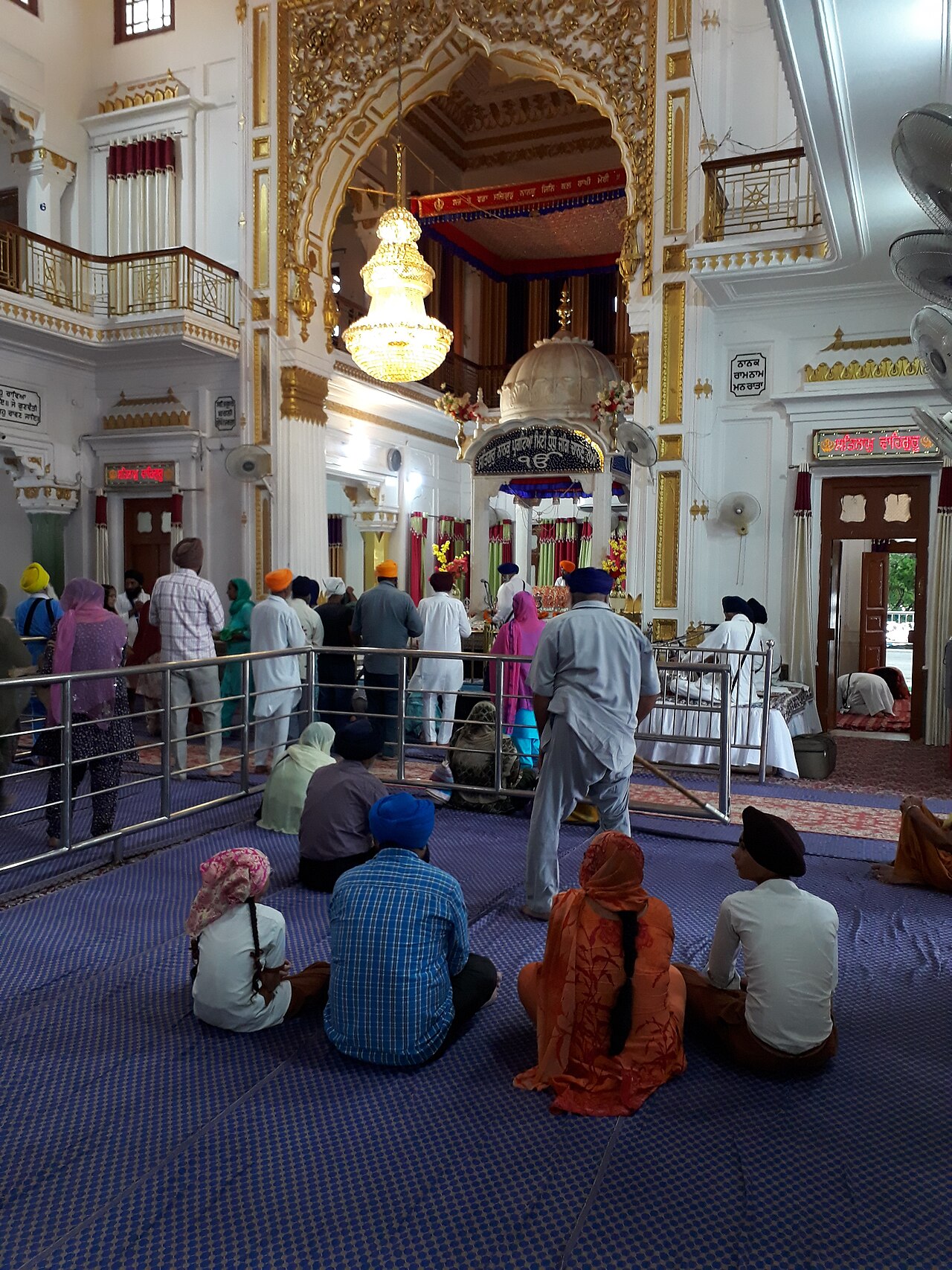
ਨਗਰੀ ਦਾ ਮੁੱਖ ਗੁਰਦੁਆਰਾ ਉਸ ਬੇਰੀ ਦੀ ਯਾਦ ਵਿੱਚ ਸੁਸ਼ੋਭਿਤ ਹੈ ਜਿਸ ਹੇਠਾਂ ਗੁਰੂ ਜੀ ਸਿਮਰਨ ਕਰਦੇ ਸਨ। ਮੌਜੂਦਾ ਇਮਾਰਤ ਕਪੂਰਥਲਾ ਦੇ ਮਹਾਰਾਜਾ ਜਗਤਜੀਤ ਸਿੰਘ ਦੀ ਸੇਵਾ ਨਾਲ ਬਣੀ (ਨੀਂਹ-ਪੱਥਰ ੨੫ ਫ਼ਰਵਰੀ ੧੯੩੭, ਸਮਰਪਣ ੨੬ ਜਨਵਰੀ ੧੯੪੧)।
ਬੇਰ ਸਾਹਿਬ ਬਾਰੇ ਪੜ੍ਹੋ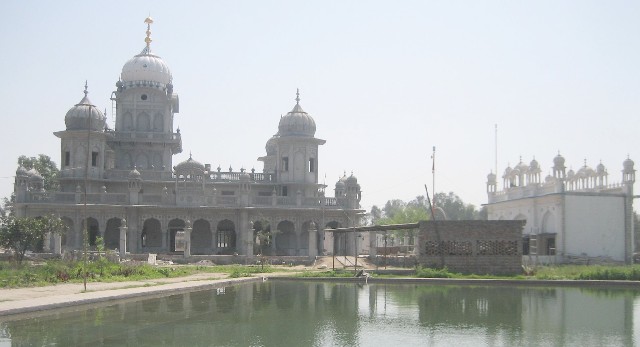
ਇਹ ਗੁਰਦੁਆਰਾ ਗੁਰੂ ਜੀ ਦੀ ਮੋਦੀਖ਼ਾਨੇ ਵਾਲੀ ਕਿਰਤ ਅਤੇ ਤੇਰਾ-ਤੇਰਾ ਦੀ ਸਾਖੀ ਨਾਲ ਜੁੜਿਆ ਹੈ। ਪੁਰਾਣੀ ਕਿਲਾ ਸਰਾਂ ਇਸ ਦੇ ਨੇੜੇ ਹੀ ਹੈ।
ਹੱਟ ਸਾਹਿਬ ਬਾਰੇ ਪੜ੍ਹੋ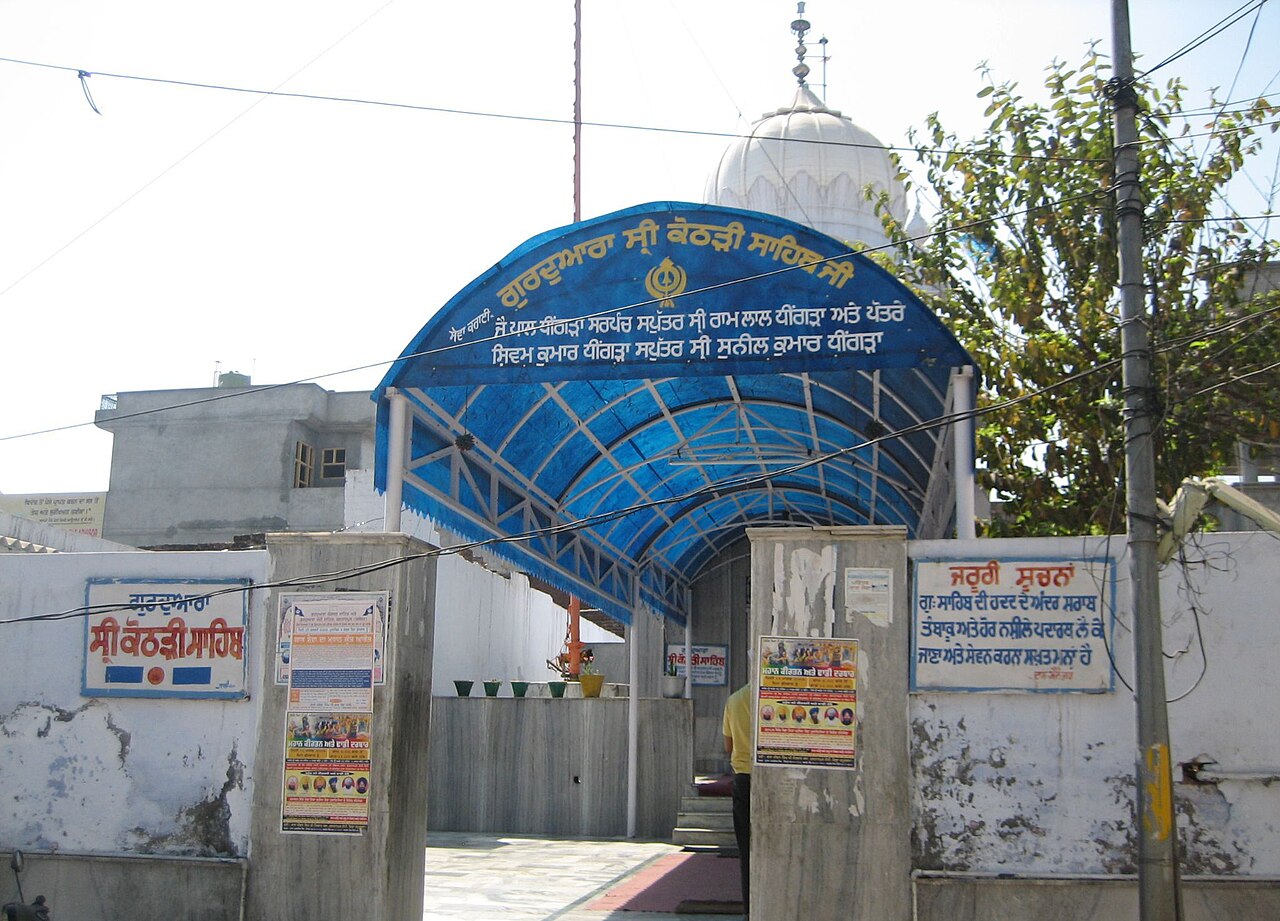
ਮੋਦੀਖ਼ਾਨੇ ਦੇ ਹਿਸਾਬ ਦੀ ਪਰਖ ਵਾਲੀ ਸਾਖੀ, ਜਿਸ ਵਿੱਚ ਘਾਟੇ ਦੀ ਥਾਂ ਵਾਧਾ ਨਿਕਲਿਆ, ਰਵਾਇਤ ਅਨੁਸਾਰ ਇਸੇ ਅਸਥਾਨ ਨਾਲ ਜੁੜੀ ਹੈ।
ਕੋਠੜੀ ਸਾਹਿਬ ਬਾਰੇ ਪੜ੍ਹੋ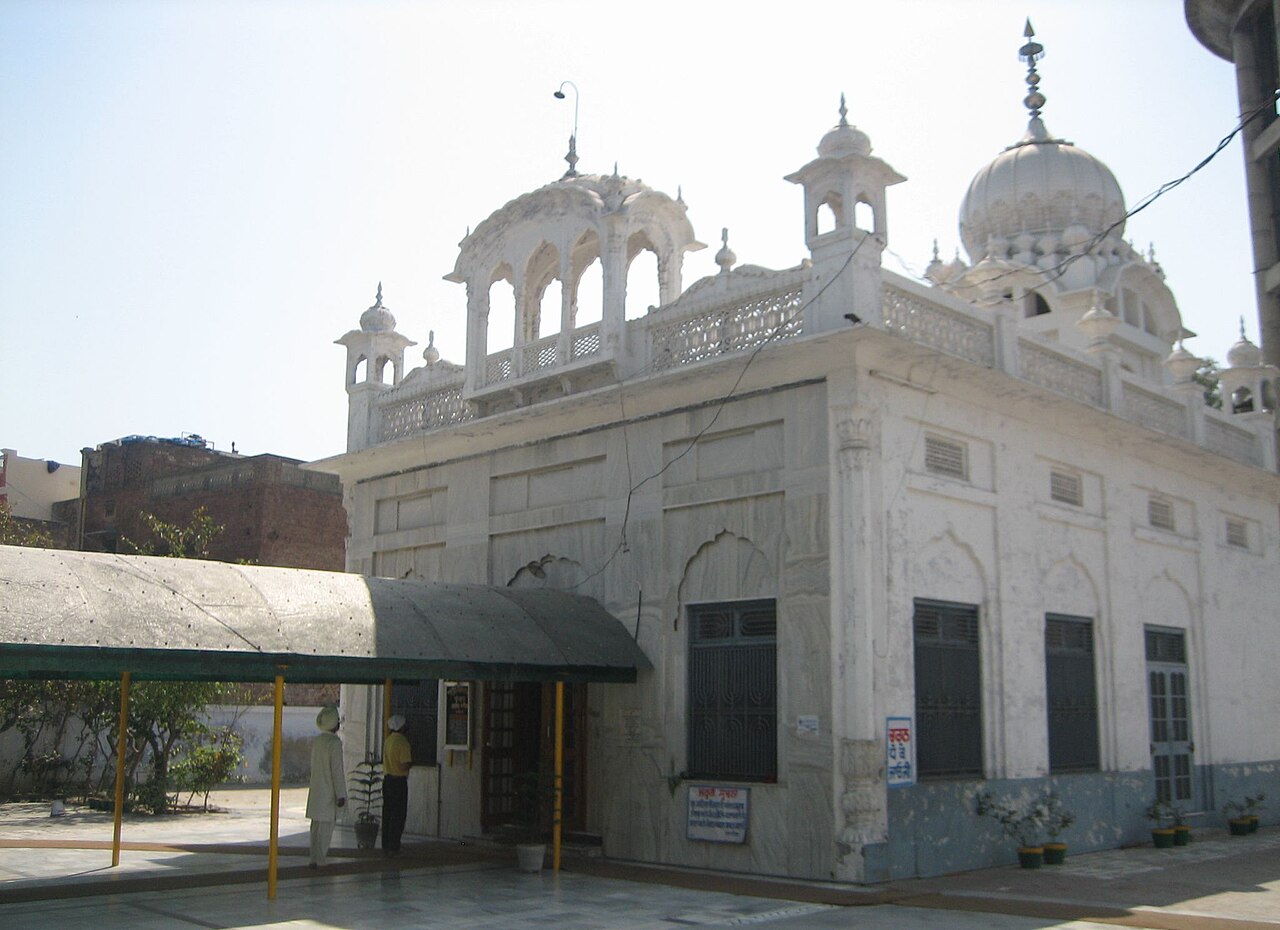
ਰਵਾਇਤ ਅਨੁਸਾਰ ਗੁਰੂ ਜੀ ਦਾ ਪਰਿਵਾਰ ਇਸੇ ਥਾਂ ਰਹਿੰਦਾ ਸੀ। ਮਹਿਲ ਮਾਤਾ ਸੁਲੱਖਣੀ ਜੀ, ਬਾਬਾ ਸ੍ਰੀ ਚੰਦ ਜੀ ਅਤੇ ਬਾਬਾ ਲਖਮੀ ਦਾਸ ਜੀ ਦੀ ਯਾਦ ਇਸ ਅਸਥਾਨ ਨਾਲ ਜੁੜੀ ਹੈ।
ਗੁਰੂ ਕਾ ਬਾਗ਼ ਬਾਰੇ ਪੜ੍ਹੋ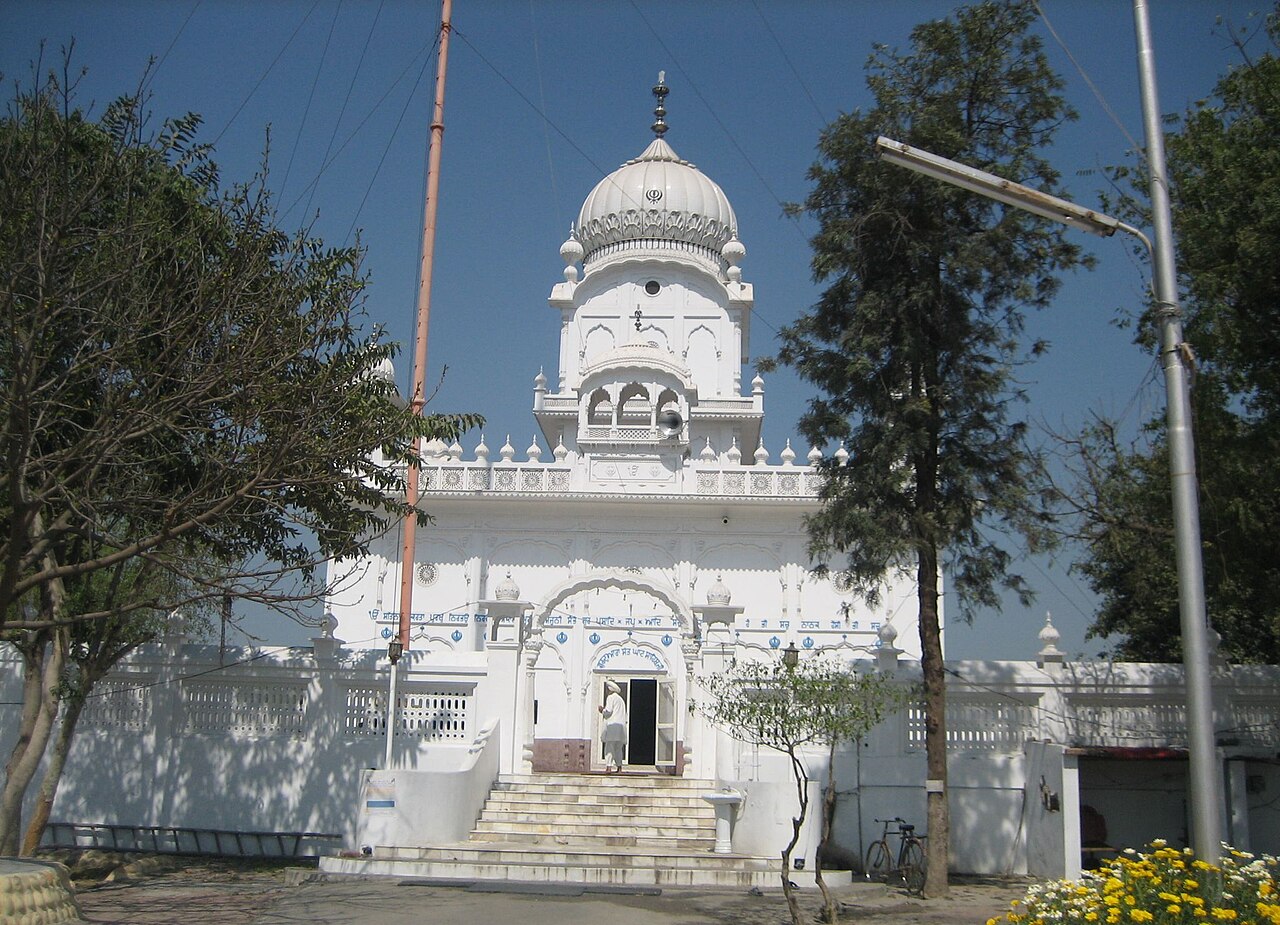
ਜਨਮਸਾਖੀਆਂ ਅਨੁਸਾਰ ਤਿੰਨ ਦਿਨ ਅਲੋਪ ਰਹਿਣ ਪਿੱਛੋਂ ਗੁਰੂ ਜੀ ਕਾਲੀ ਬੇਈਂ ਦੇ ਇਸੇ ਘਾਟ ’ਤੇ ਪ੍ਰਗਟ ਹੋਏ ਸਨ।
ਸੰਤ ਘਾਟ ਬਾਰੇ ਪੜ੍ਹੋ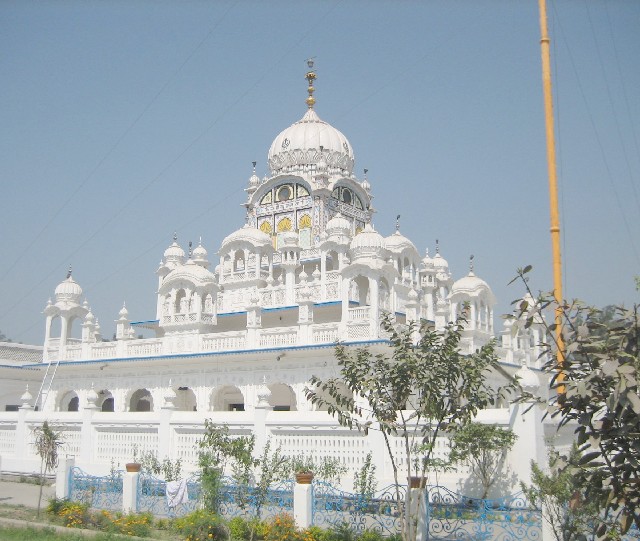
ਜਨਮਸਾਖੀਆਂ ਵਿੱਚ ਨਮਾਜ਼ ਦੇ ਸੱਦੇ ਵਾਲੀ ਸਾਖੀ ਆਉਂਦੀ ਹੈ, ਜਦੋਂ ਗੁਰੂ ਜੀ ਨੇ ਨਮਾਜ਼ ਪੜ੍ਹਨ ਵਾਲਿਆਂ ਦੇ ਮਨ ਦੀ ਅਸਲ ਹਾਲਤ ਪਛਾਣ ਲਈ। ਇਹ ਗੁਰਦੁਆਰਾ ਉਸੇ ਸਾਖੀ ਦੀ ਯਾਦ ਵਿੱਚ ਹੈ।
ਅੰਤਰਯਾਮਤਾ ਸਾਹਿਬ ਬਾਰੇ ਪੜ੍ਹੋ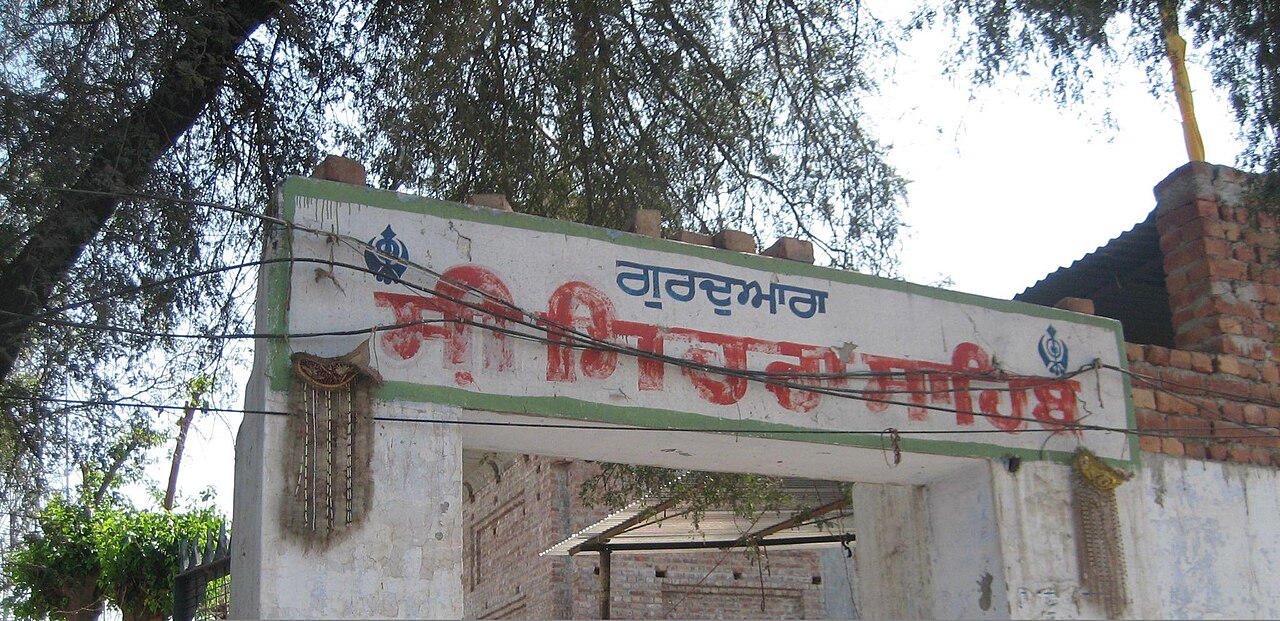
ਇਹ ਅਸਥਾਨ ਬਾਅਦ ਦੇ ਗੁਰੂ ਸਾਹਿਬਾਨ ਨਾਲ ਜੁੜਿਆ ਹੈ। ਰਵਾਇਤ ਅਨੁਸਾਰ ਲਗਭਗ ੧੬੦੪ ਵਿੱਚ ਗੁਰੂ ਅਰਜਨ ਦੇਵ ਜੀ ਇੱਥੇ ਰੁਕੇ ਸਨ, ਅਤੇ ਇਹ ਥਾਂ ਗੁਰੂ ਹਰਗੋਬਿੰਦ ਸਾਹਿਬ ਜੀ ਦੀ ਸੇਹਰਾ-ਬੰਦੀ ਨਾਲ ਜੁੜੀ ਹੈ।
ਸੇਹਰਾ ਸਾਹਿਬ ਬਾਰੇ ਪੜ੍ਹੋ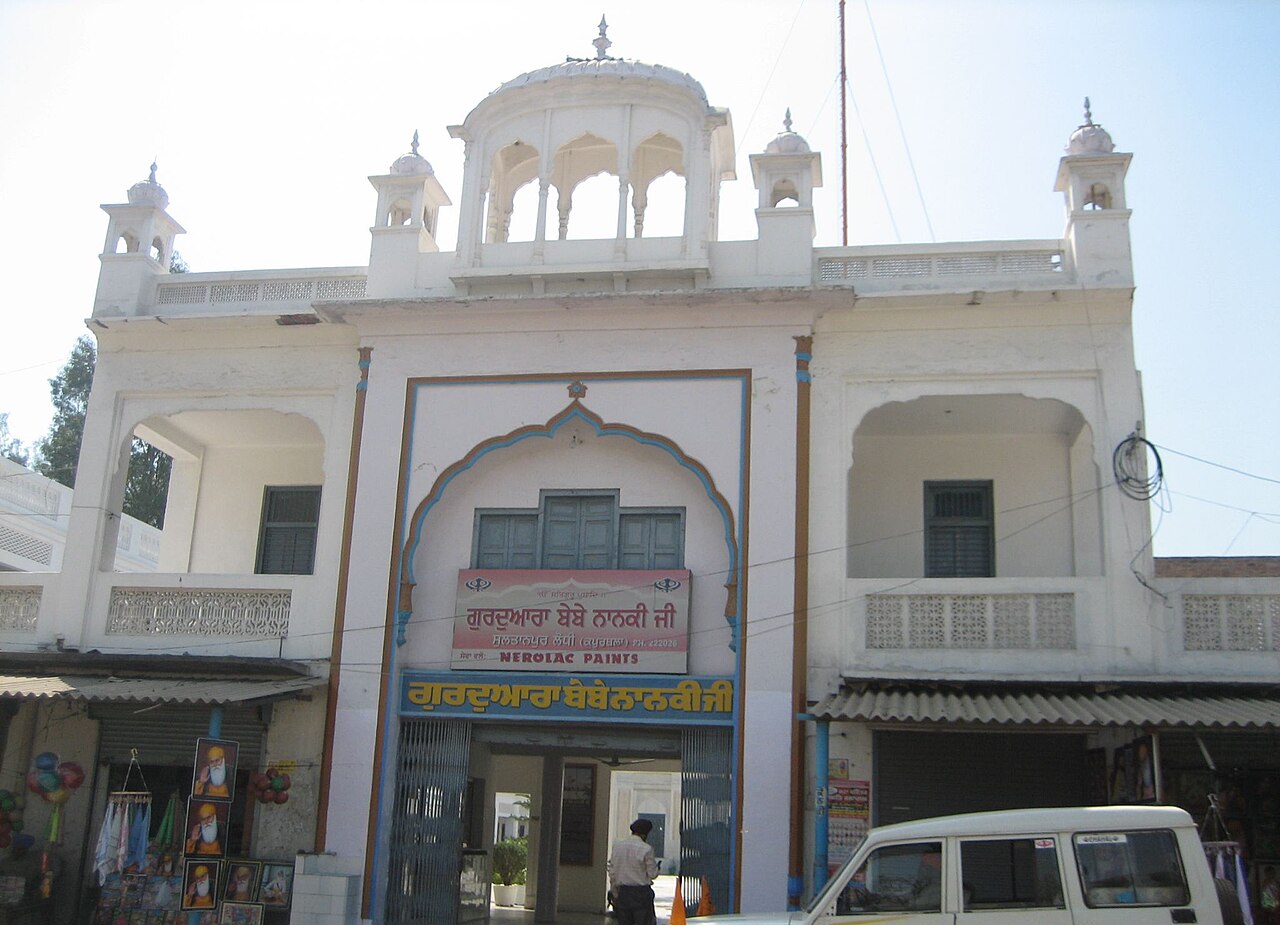
ਬੇਬੇ ਨਾਨਕੀ ਜੀ ਦੇ ਸੱਦੇ ’ਤੇ ਹੀ ਗੁਰੂ ਜੀ ਸੁਲਤਾਨਪੁਰ ਆਏ ਸਨ, ਅਤੇ ਇਹ ਗੁਰਦੁਆਰਾ ਉਨ੍ਹਾਂ ਦੀ ਯਾਦ ਵਿੱਚ ਹੈ। ਇਸ ਦਾ ਪ੍ਰਬੰਧ ਬੇਬੇ ਨਾਨਕੀ ਇਸਤਰੀ ਸਤਸੰਗ ਚੈਰੀਟੇਬਲ ਟਰੱਸਟ ਕਰਦਾ ਹੈ।
ਬੇਬੇ ਨਾਨਕੀ ਜੀ ਬਾਰੇ ਪੜ੍ਹੋਕਾਲੀ ਬੇਈਂ
ਕਾਲੀ ਬੇਈਂ ਅੱਜ ਵੀ ਨਗਰੀ ਦੇ ਕੋਲੋਂ ਵਗਦੀ ਹੈ। ਗੁਰਦੁਆਰਾ ਬੇਰ ਸਾਹਿਬ ਅਤੇ ਸੰਤ ਘਾਟ ਦੋਵੇਂ ਇਸੇ ਦੇ ਕੰਢੇ ਹਨ। ਬੇਈਂ ਦੀ ਮੁੜ ਸੰਭਾਲ ਦਾ ਕੰਮ ਜਾਰੀ ਹੈ।
ਕਾਲੀ ਬੇਈਂ ਬਾਰੇ ਹੋਰ ਪੜ੍ਹੋਵਿਰਾਸਤ
ਸੁਲਤਾਨਪੁਰ ਲੋਧੀ ਗੁਰੂ ਜੀ ਦੇ ਸਮੇਂ ਤੋਂ ਪਹਿਲਾਂ ਵੀ ਪੁਰਾਣਾ ਨਗਰ ਸੀ ਅਤੇ ਦਿੱਲੀ-ਲਾਹੌਰ ਰਾਹ ’ਤੇ ਅਹਿਮ ਥਾਂ ਰੱਖਦਾ ਸੀ। ਅੱਜ ਇੱਥੇ ਗੁਰਦੁਆਰਿਆਂ ਤੋਂ ਇਲਾਵਾ ਕਿਲਾ ਸਰਾਂ, ਚਿੱਟੀ ਮਸਜਿਦ, ਪੀਰਾਂ ਦੀਆਂ ਦਰਗਾਹਾਂ ਅਤੇ ਮੰਦਿਰ ਹਨ।
ਨਗਰੀ ਦੇ ਨਾਵਾਂ ਅਤੇ ਪੁਰਾਣੀਆਂ ਇਮਾਰਤਾਂ ਬਾਰੇ ਵਿਰਾਸਤ ਪੰਨਾਯਾਤਰਾ ਜਾਣਕਾਰੀ
ਸੁਲਤਾਨਪੁਰ ਲੋਧੀ ਸਟੇਸ਼ਨ ਦਾ ਕੋਡ SQR ਹੈ ਅਤੇ ਇਹ ਜਲੰਧਰ ਸਿਟੀ-ਫਿਰੋਜ਼ਪੁਰ ਕੈਂਟ ਲਾਈਨ ’ਤੇ ਹੈ। ਦਿੱਲੀ ਵੱਲੋਂ ਆਉਣ ਵਾਲੇ ਆਮ ਤੌਰ ’ਤੇ ਜਲੰਧਰ ਸਿਟੀ ਜਾਂ ਲੁਧਿਆਣਾ ਤੋਂ ਗੱਡੀ ਬਦਲਦੇ ਹਨ।
ਮੁੱਖ ਸੜਕ NH 703A ਹੈ, ਜੋ ਜਲੰਧਰ ਤੋਂ ਕਪੂਰਥਲਾ ਹੋ ਕੇ ਆਉਂਦੀ ਹੈ। ਕਪੂਰਥਲਾ ਲਗਭਗ ੨੭ ਕਿ.ਮੀ., ਜਲੰਧਰ ੪੬ ਤੋਂ ੪੮ ਕਿ.ਮੀ. ਅਤੇ ਅੰਮ੍ਰਿਤਸਰ ਲਗਭਗ ੭੫ ਕਿ.ਮੀ. ਦੂਰ ਹੈ।
ਪੰਜਾਬ ਰੋਡਵੇਜ਼ ਦੀਆਂ ਬੱਸਾਂ ਜ਼ਿਲ੍ਹੇ ਵਿੱਚ ਚੱਲਦੀਆਂ ਹਨ। ਸੁਲਤਾਨਪੁਰ ਲੋਧੀ, ਕਪੂਰਥਲਾ ਜਾਂ ਜਲੰਧਰ ਦੇ ਬੱਸ ਅੱਡੇ ਤੋਂ ਵੀ ਪੁੱਛ ਸਕਦੇ ਹੋ।
ਗੱਡੀਆਂ ਅਤੇ ਬੱਸਾਂ ਦਾ ਸਮਾਂ ਬਦਲਦਾ ਰਹਿੰਦਾ ਹੈ, ਇਸ ਲਈ ਚੱਲਣ ਤੋਂ ਪਹਿਲਾਂ ਭਾਰਤੀ ਰੇਲਵੇ ਜਾਂ PRTC ਅਤੇ PUNBUS ਤੋਂ ਤਾਜ਼ਾ ਸਮਾਂ ਵੇਖ ਲਓ।